#TFL Dr Tim Chambers: The concentration of nitrates varies with geology, and it gets pretty spenny.
Dr Tim Chambers: The concentration of nitrates varies with geology, and it gets pretty spenny.
Frontline Kiwi workers are struggling to pay for food and rent, while politicians are giving away billions to the very rich. Public services are being cut back, privatised, and sold off. This is not how you build a stronger, healthier, or safer society. It’s time to stop the vandalism and rebuild NZ. Join Dr Gary Payinda and guests on The Frontline.
Gary Payinda is a passionate advocate for social justice and equity. With a background in public health and community organizing, Gary brings a unique perspective to the Frontline team. He is dedicated to amplifying the voices of marginalized communities and holding those in power accountable.
#TFL Dr Tim Chambers: The concentration of nitrates varies with geology, and it gets pretty spenny.
#TFL Dr Tim Chambers: Poor choices for irrigation can concentrate nitrates in groundwater.
#TFL Dr Tim Chambers: With different geology, nitrates can stay in groundwater for a hundred years.
Dr Tim Chambers: The concentration of nitrates varies with geology, and it gets pretty spenny.
Dr Tim Chambers: Poor choices for irrigation can concentrate nitrates in groundwater.
Dr Tim Chambers: With different geology, nitrates can stay in groundwater for a hundred years.
Dr Tim Chambers: We've created a national dataset of drinking water contaminants.
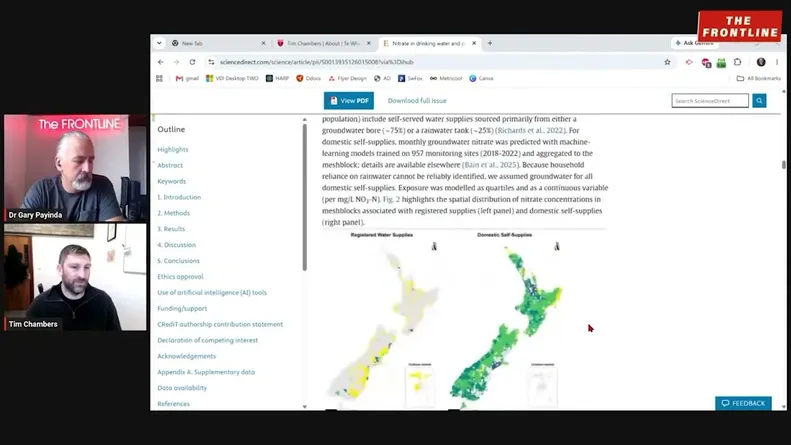
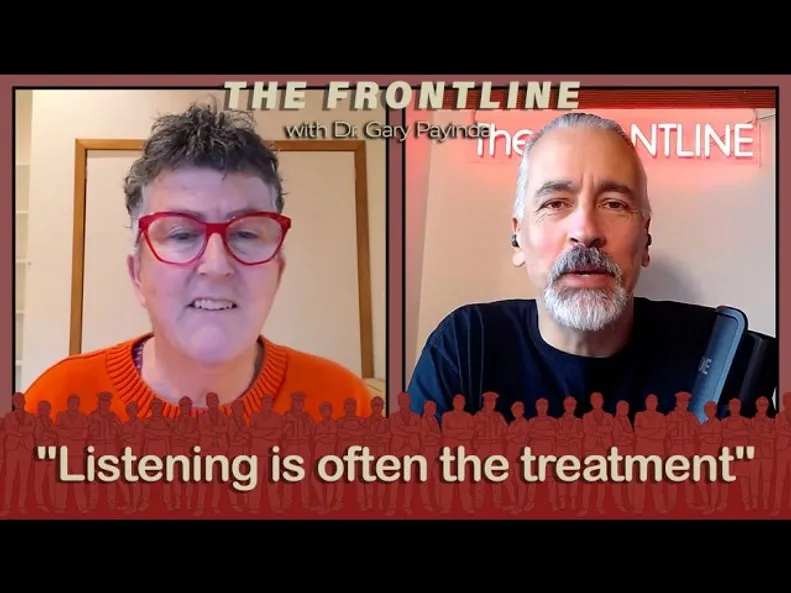
Environmental epidemiologist Dr Tim Chambers spoke with The Frontline about how nitrate runoffs is affecting our national drinking water supply. How much of a risk is it? What can communities and households do about it? Why is it happening and how do we control it? Tim and his colleagues have just published an internationally important study on nitrates, drinking water, and the rate of pre-term deliveries in pregnant women. Go get yourself a big glass of water and settle in for a knowledge session.
Lucy O'Hagan Cultural sensitivity works on many levels
Lucy O'Hagan Understanding Māori needs help GPs understand all patients
Lucy O'Hagan Being a GP is an exercise in improvisation
Lucy O'Hagan Austerity is creating inefficiency
Erik Monasterio NZ has lost sight of its priorities in Public Health
Erik Monasterio Inequality in NZ is generally worse than 40 years ago
Erik Monasterio Improving mental health services will relieve pressure on prisons
After 30 years as a GP and writer, Lucy O'Hagan now has a solo show coming to theatres around Aotearoa. Lucy shares with The Frontline audience her perspective on the patient-doctor interaction as an act of storytelling. "Every consult is an improv", "Medicine itself is a culture", and "You can't do anything without relationship" -- Lucy's style focuses on power relationships, storytelling, and mauri rather than just medical facts. In this interview we also explore issues of trust, cultural safety, the biomedical model, healthcare funding, and manaakitanga. Amazing. To catch her show live, check out:https://lucyohagan.com/
Housing instability is bad for health, and public health workers are stretched to breaking
Theresa Nelson regional healthcare needs support from te whatu ora
Theresa Nelson says funding isn't keeping up with what services require in the Hokianga
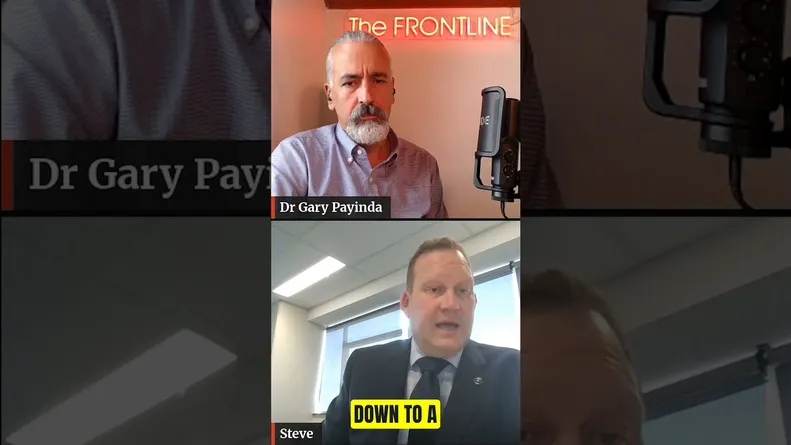
Steve Watt says police recruitment is more difficult due to the low pay rate
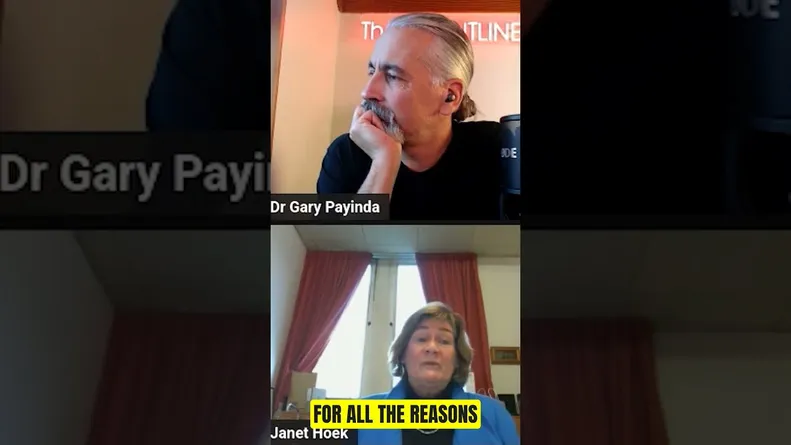
Janet Hoek on why we are listening to tobacco companies' estimates
Steve Watt on why nearly 60% of police considering quitting
Janet Hoek Cutting excise tax is not going to solve illicit tobacco
Steve Watt on how well the arbitration system works
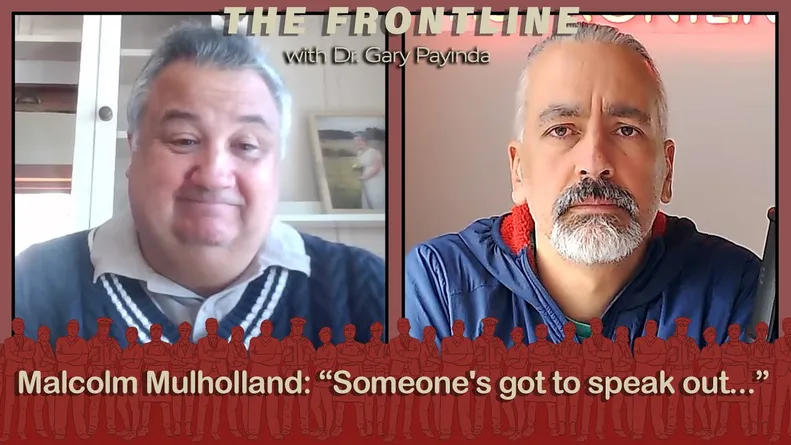
Today we talk with patient advocate and healthcare researcher, Dr Malcolm Mulholland, founder of Patient Voice Aotearoa and leader within Kaitiaki Hauora, Together for Public Health, an advocacy group fighting the privatisation of New Zealand's public healthcare system. We discuss the big myths of private healthcare: that it's cheaper and more efficient than public healthcare. And have a chat about the risks of healthcare privatisation: a loss of access for rural communities, a black box of 'secret' spending and loss of accountability, cherry-picked cases, and the shifting of public healthcare staff into the private hospital setting, accelerating the erosion of our public healthcare service.
For the first time in 90 years, police are campaigning publicly for better pay and working conditions. There are news stories of police using food banks, while numbers of new recruits in training have dropped. What are the facts behind the "Repay the Risk" campaign and how can the public ensure our essential public services are supported and maintained? We speak with Steve Watt, President of the NZ Police Association.
Last year, doctors and poets Art Nahill and Glenn Colquhoun drove thousands of kilometers in a converted 'Vanbulance' on their Hikoi4Health, and had thousands of conversations with patients, locals, and experts about what is wrong with NZ healthcare, and how we could improve it -- if we really wanted to. They share those lessons here, on The Frontline with Dr Gary Payinda, in advance of the publication of their book, and the release of their documentary, coming out in September. You heard it here first: Rethinking Health is coming. https://healthreformnz.org/
PSA union organiser Theresa Nelson talks about how cuts to government healthcare budgets affect our rural communities. And whether our poorest, most remote, and underserved rural communities are spending far too much, or simply getting far too little. #psa #health #tetaitokerau #rural #rawene #healthnz
Dr Janet Hoek is a University of Otago Professor who studies tobacco harm, estimated to cost NZ a cool $2.5 billion dollars a year, while generating hundreds of millions of dollars in profits from New Zealanders, and $1.7 in taxes for the government. We talk about the scale of illicit tobacco in NZ, the risk posed, who to believe, the history of the tobacco industry, illicit tobacco prosecutions, and the human cost of NZ tobacco sales: estimated at 13 lives lost per day.
How can we simultaneously have "record investment in health", while feeling like we're falling behind? Why will anything less than an additional $1.4B in the Health NZ budget move health backward? How can it be that unmet need, population growth, and inflation are not properly accounted for in our official budget numbers? Kaitiaki Hauora is a new organisation made up of many groups with an interest in public health, rallying around the well-proven but oft-ignored idea that healthcare privatisation is an expensive, inefficient, and inequitable alternative to universal public healthcare.The Frontline speaks with former intensive care doctor, Dr David Galler, and economist Dr Bill Rosenberg of Kaitiaki Hauora about the tricky world of healthcare spending and the NZ economy.
What is the return on a dollar spent saving a youth from suicide or reversing their diabetes? We speak with Rachel McGillan, a Youth Health Nurse Specialist about her role helping teens navigate some pretty tough stuff.
One of the great minds of our nation, demographer and Distinguished Professor Emeritus and Senior Fellow at Koi Tū Centre for Informed Futures spoke with Dr Gary about immigration, productivity, xenophobia, and population growth in a New Zealand that is getting much older, more diverse, and more Auckland-centric. A far-reaching and heavy discussion with much food for thought. People, place and prosperity: the case for a population strategy https://informedfutures.org/population-media-release/
We speak with Mark Quin, Chairman of NZ Ambulance Association, about paramedics being asked to clean stations to save the cost of commercial cleaners. Is this a cost-efficient move or a step backwards for ambulance staff? And we talk about the bigger picture of health services funding and resourcing for our ambulance services https://www.nzherald.co.nz/nz/ambulance-unions-say-extra-cleaning-duties-will-add-to-pressure-on-st-john-staff/OZUJ7YEAYJHNVPUF5TU5BZ3NEQ/
Midwives are the most understaffed healthcare professionals in NZ. They're in scarce supply in part because reimbursement and working conditions are based on a decades old contract that some would describe as archaic and unfair. Listen in as ex-midwife Alison Eddy, CEO of the NZ College of Midwives, tells us all about the history of NZ midwifery, the recent High Court case they've won (which govt has already said they will appeal), and the ups-and-downs of a 24-hour a day profession caring for -- and sometimes saving -- the lives of mothers and babies. Whether you're self-employed or an employee, public worker or private, this conversation on the nature of work, public service, and fair wages should have relevance.
When kids or adults face poverty, hunger, and a breakdown in social relationships, is it any surprise that they turn to gangs, drugs, or violence? Isopo Samu of Tokotoko Solutions has spent a lifetime working with at-risk youth as a police officer, a teacher, and for the past 15 years as the founder or director of multiple youth and work-training organisations. We talk about how we can best use our time and money to help keep kids in school, and families together.
A chat with Mike Casey, cherry orchardist, tech bro, and green energy advocate. He's the CEO of Rewiring Aotearoa, a charity that envisions a time when NZ is free from its dependence on fossil fuels and foreign energy. We talk about electric cars, rooftop solar, learning from Australia's experience, and moving towards cheap, clean, and plentiful energy. Just a dream, or could it be a reality?
Who would dare argue against a 'knowledge rich curriculum' or 'back to the basics' education? But what happens when 'knowledge rich' turns into regurgitating memorised lists, or when 'the basics' don't include enough teachers aides, school nurses, or that most basic thing of all: food? A reframing of the real problems and their solutions with education expert, teacher, principal, and President of the NZ Principals Federation Jason Miles, speaking to a recent report by 34 educational groups expressing concerns that the currently proposed education reforms may actually portend a return to the bad old days of rote memorisation and an educational framework based on an outdated industrial model that's not fit for NZ's needs, and which will not prepare our kids to be competitive in the modern world.
Alcohol harm costs the NZ taxpayer roughly $7 for every $1 collected in alcohol taxes. So why are we weakening, rather than strengthening, our alcohol regulations? Andrew Galloway of Alcohol Healthwatch talks about the proposed alcohol policy changes that will weaken our already remarkably feeble alcohol regulations. Have your say. Subscribe and follow. And click hapaitia.co.nz/resources/ for help giving your submission to Parliament.
Health equity requires analysis
Neoliberalism defies gravity
Public hospitals take the most serious cases
History teacher and Post-Primary Teachers Association (PPTA) president Chris Abercrombie discusses cut-rate lunches, school curriculum changes, and double standards when it comes to school privatisation. With a perhaps surprising chat about the cellphone ban in schools. Have a listen, get educated, and share with a friend. #teacher #education #nz
Wellbeing is a social contract between government and the governed
A conversation with Rob Campbell, economist, healthcare expert, and co-founder of Kaitiaki Hauora, a new organisation that wants us to focus on 3 things: an adequately funded public healthcare system, a move away from healthcare privatisation, and a return to respect for Te Tiriti obligations in healthcare. We know the public backs our public healthcare system. In an election year, how can we get all our political parties to back the public healthcare system as well?
An eye-opening talk with Reuben Otto, firefighter and member of the NZ Professional Firefighters Union (NZPFU) about the challenges of firefighting. Not just the heat and cancer risk, but the lack of a #FENZ employment contract for 571 days and counting, a broken funding model, public attacks by politicians, understaffing, and debilitated fire trucks. Despite it all he maintains a positive outlook and an undiminished dedication to the job that will inspire you. Share with your friends!
Reuben Otto from the NZ professions fire union talks about contract negotiations. New episode Friday 30/01 at 8am Here's a teaser to get ready for the live show
Dr Tim Welch, urban planning researcher, talks to The Frontline about how faster speed limits can actually lead to slower driving times. And he introduces us to the concept of "network delay", which may be stripping our economy by up to 2% of its productivity.
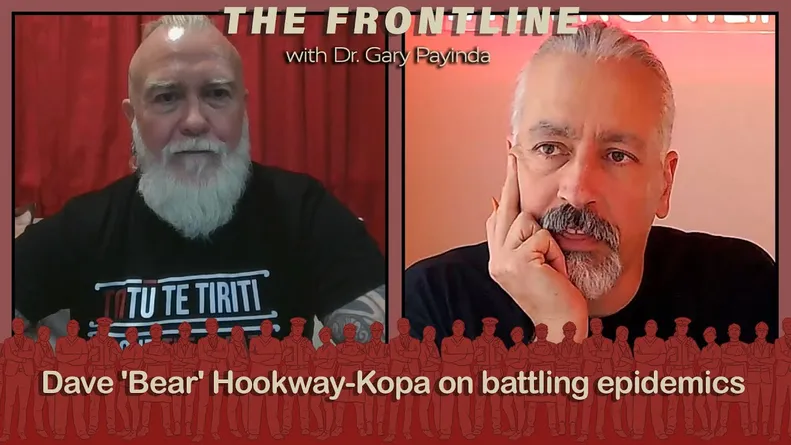
HIV/AIDS, Covid, Syphilis, Fetal alcohol spectrum disorder. What, if anything, have we learned about the social determinants of health that will help us battle the next epidemic more successfully? Dave 'Bear' Hookway-Kopa talks to The Frontline about a lifetime looking after the people of Aotearoa New Zealand. #HIV #AIDS #syphilis #PublicHealth www.communitiesagainstalcoholharm.co.nz https://substack.com/@drgarypayinda @burnettaotearoa
Malcolm Mulholland is the chair of Patient Voice Aotearoa, a patient advocacy group that The Frontline is happy to help support. They fought for better medicines access for New Zealanders, and now are fighting for public healthcare in NZ. Malcolm has traveled the length and breadth of Aotearoa holding community meetings and talking with patients and healthcare workers. He has stories to share about what's really happening to our healthcare system, and what we need to do to fix it. Sign the Buller Declaration, and donate to Patient Voice Aotearoa here: www.patientvoice.nz
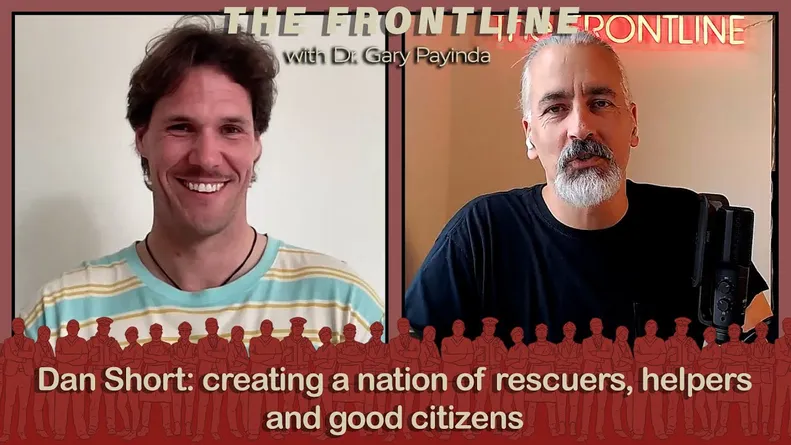
Today the Frontline talks with Dan Short, paramedic, rescue swimmer and lifelong surf lifesaver...back by popular demand. We discuss some daring rescues, some good and bad outcomes, and what it means for society when 'regular New Zealanders' step up to help others. Is this a model for how we build a New Zealand that looks after its own people?
Around 20% of New Zealanders have tattoos. Around 350 people a year in New Zealand die from melanoma. Is there an association between melanoma and tattoo inks? Given the huge cultural importance of tattoos/moko in Aotearoa, and the widespread uptake of tattoos by so many, especially in younger age groups, are regulators doing everything they can to make sure what goes in our skin is as safe as it can be? Swedish toxicologist Dr Emelie Rietz Liljedahl discusses the sometimes poor international regulation of tattoo ink ingredients and discusses her research on whether there is an association between tattoo inks and skin cancer. Link to the study: https://link.springer.com/article/10.1007/s10654-025-01326-6
Jessie Moss, senior professional advisor at NZEI, talks us through attempts to rush the Education and Training (System Reform) Amendment Bill into law. Destabilising the curriculum, aiding public school privatisation, demoting the voice of professional organisations, and weakening community and Māori input is just the start of the far-reaching bill.